
Top Engineered vs Solid Wood Floors for Your Vancouver Home
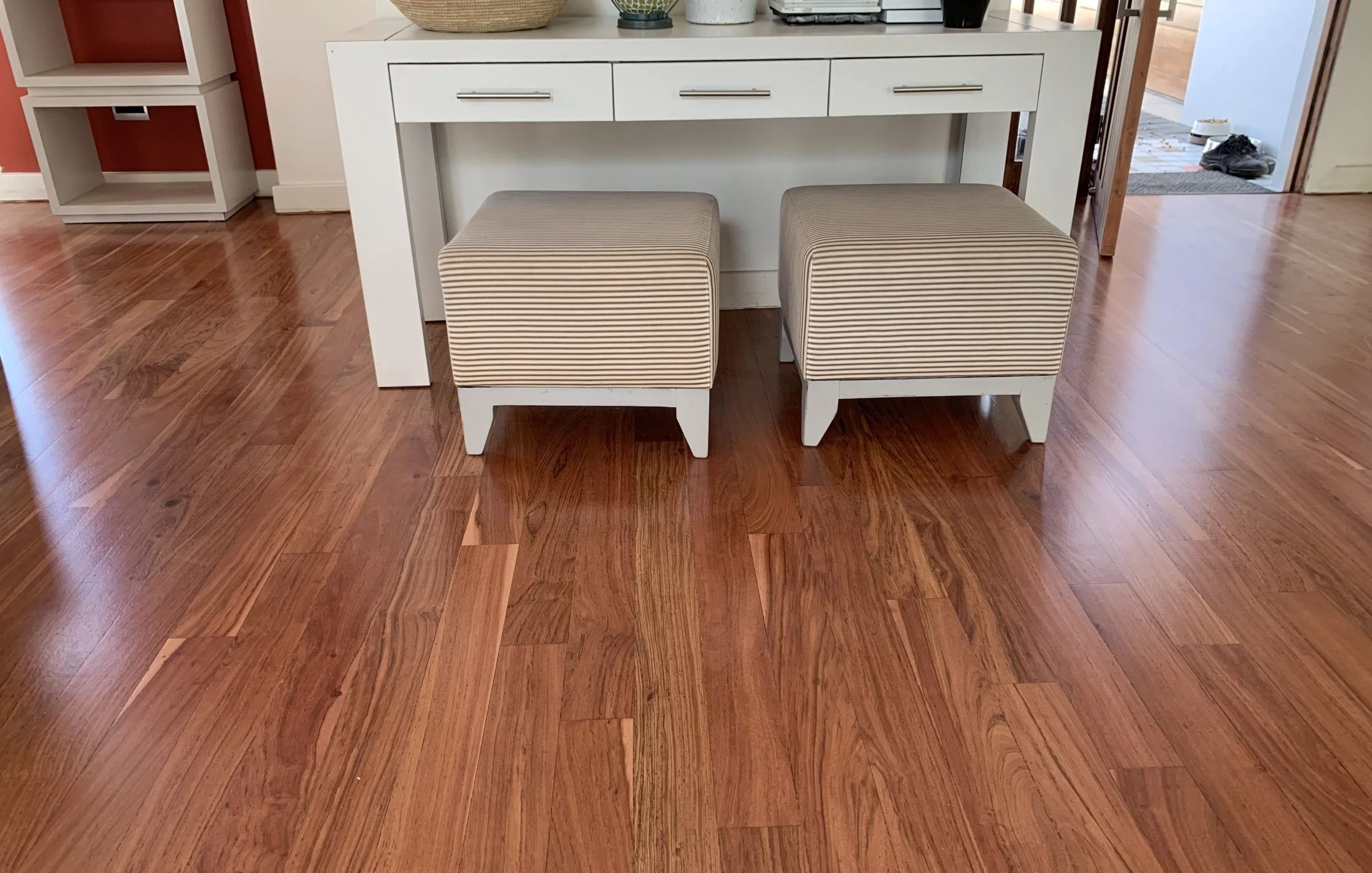
Choosing between engineered vs solid wood floors comes down to how your space handles moisture, how long you want the floor to last, and where it will be installed. In short, engineered offers better stability in Vancouver’s humidity and more placement flexibility. Solid hardwood wins on maximum lifespan and deep refinishing potential. Costs are usually a little higher for solid, species being equal.
Engineered vs Solid wood floors: Quick comparison
Stability. Engineered uses cross‑layered plywood or HDF beneath a hardwood veneer for better dimensional stability. Solid is a single wood piece that moves more with humidity.
Refinishing. Solid can be sanded many times. Engineered depends on veneer thickness, typically one to two sandings on quality products.
Moisture. Engineered handles seasonal swings better but is not waterproof. Solid is more prone to cupping when damp.
Cost. Engineered hardwood vs solid wood flooring is usually slightly less expensive per square foot than comparable solid species.
Placement. Engineered works in basements, condos, and over radiant heat. Solid is best on or above grade over wood subfloors.
Global Carpets & Hardwood helps homeowners compare samples side by side and match the right construction to Vancouver homes, from heritage houses to glassy downtown condos.
Vancouver climate and home types: key considerations
Coastal humidity, long rainy seasons, and plenty of concrete subfloors in condos make Vancouver a friendly climate for engineered wood. That layered construction shrugs off daily swings that can cause solid boards to gap, cup, or crown without careful humidity control. Basements and garden suites are common, and those below-grade spaces point strongly to engineered. In a Kitsilano condo, for instance, a quiet, glue-down engineered floor paired with acoustic underlay can tame footfall and keep neighbours happy.
Strata guidelines matter too. Many strata councils require acoustic underlayment and set minimum IIC or STC ratings for hard surfaces. Those specifics vary by building and should be checked before purchase. Global Carpets & Hardwood routinely helps clients navigate strata rules and select compliant underlays and installation methods .
Construction and performance differences: engineered hardwood vs solid wood flooring
What is engineered hardwood?
Engineered planks are real wood top to bottom. The surface is a hardwood veneer that sits over a core made from cross-hatched plywood or high-density fiberboard. The cross-layers resist swelling and shrinking, which is why engineered stays flatter through damp seasons. You can float, glue, or nail it, and many lines are sold prefinished with tough aluminum oxide coatings.
What is solid hardwood?
Each solid plank is milled from a single piece of wood, commonly 19 millimetres thick. That mass gives solid hardwood the potential to last for decades because it can be sanded and refinished many times. The tradeoff is movement. Grain running one direction means more expansion and contraction under moisture pressure.
Moisture, stability, and movement
Engineered’s cross-ply core limits seasonal movement and helps prevent cupping. It is more water resistant than solid but still not for wet rooms or standing water. Solid hardwood needs tighter humidity control to avoid gapping or crowning. Neither product belongs in full bathrooms, though careful use in kitchens is common with prompt cleanup.
Cost and long-term value in Canada
Material and installation pricing
Type
Typical price range per sq ft
Notes
Engineered
About $6 to $22 CAD
Slightly lower than solid for similar species. Wider planks are common.
Solid
About $7 to $28 CAD
Prefinished solid often 6 to 12 USD. Site-finished adds labour.
Canadian quotes vary by province, species, finish, and installer availability as of 2025 . Global Carpets & Hardwood can produce an itemized, strata-ready quote that includes underlay, trims, and subfloor prep so there are no surprises at install time.
Maintenance and refinishing costs
Engineered floors with a thick wear layer can be sanded once or twice. Solid hardwood supports multiple sandings over its life, which spreads value over more years. Prefinished factory coatings tend to be very durable for both categories, cutting early maintenance and making a screen and recoat viable before a full sand is needed.
Durability, lifespan, and refinishing potential
Wear layer and number of sandings
Look for engineered wear layers at or above about 3⁄32 inch if future sanding matters. Thinner veneers limit refinishing and push the equation toward replacement later. Solid hardwood builds equity through repeat refinishes, a point buyers notice during resale in established Vancouver neighbourhoods.
Scratch, dent, and water resistance
Factory-finished engineered and solid floors resist light scratching similarly. Severe gouges can cut through engineered’s veneer, which is harder to hide than marks on solid boards that can be sanded out. Neither product is waterproof, so think “wipe spills now” rather than “mop and forget.” Picture rainy November boots by the front door. Good mats and felt pads go a long way.
Shop Hardwood Flooring in Vancouver with Global Carpets & Hardwood
Global Carpets & Hardwood brings Vancouver-ready engineered and solid collections, expert advice on strata compliance, and installers who respect your space. See wide planks, character oaks, and smooth maples under real showroom light. Then get a clear quote that covers materials, underlay, trims, and installation. As the saying goes, measure twice, cut once. Let Global Carpets & Hardwood make the rest easy.
FAQs
Is engineered hardwood flooring better than solid?
Better depends on context. Engineered is better for moisture-prone locations, condos, basements, and radiant systems. Solid is better for maximum lifespan and multiple refinish cycles when conditions are stable. Global Carpets & Hardwood helps match the right floor to your exact space.
What are the negatives of engineered wood flooring?
Thin wear layers limit refinishing. Some floating installations can sound slightly hollow without the right underlay. And while more moisture tolerant than solid, engineered still is not waterproof. Choosing a quality build with a thicker veneer addresses most concerns.
Is engineered wood cheaper than solid wood?
For comparable species, engineered is typically a bit less per square foot, especially in wider planks. Total project cost still depends on subfloor prep, underlayment, and installation method. Global Carpets & Hardwood provides side-by-side quotes so you can compare true totals.