
The Environmental Benefits of Engineered Hardwood Flooring
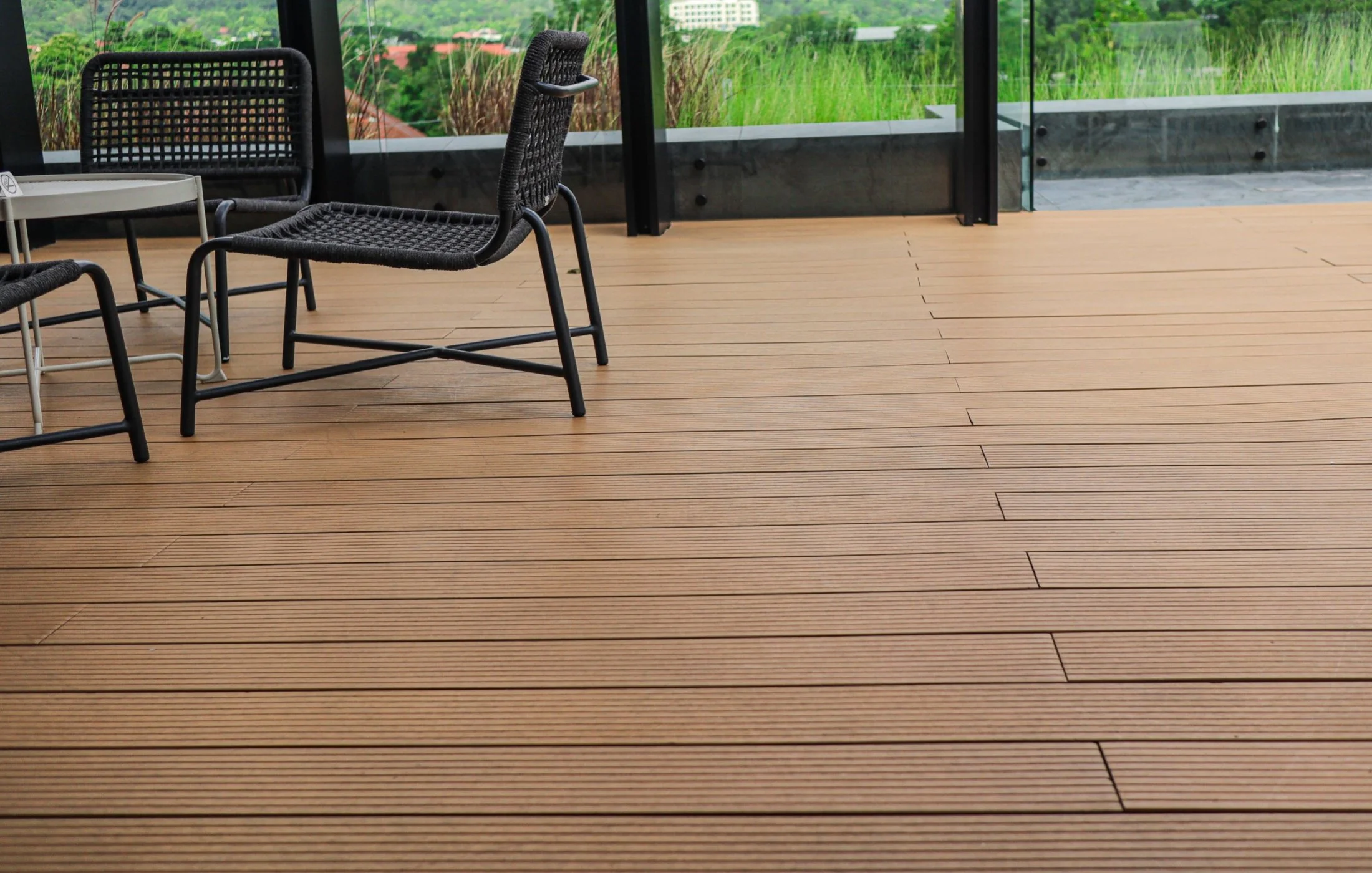
More Canadians want homes that feel warm underfoot and tread lighter on the planet. Engineered hardwood flooring sits in that sweet spot. It delivers the look and feel of real wood while using timber more thoughtfully and performing reliably in our climate. Think less waste, more stability, and a finish that still catches the morning light in all the right ways.
Engineered hardwood flooring is environmentally beneficial because it uses a thin hardwood veneer over a layered wood core, which reduces raw timber demand, supports recycled content, and lowers manufacturing waste. Its stability cuts replacement cycles, low VOC options support cleaner indoor air, and compatibility with energy efficient home systems adds practical sustainability.
Engineered hardwood flooring explained: construction and performance
Engineered hardwood floors are real wood floors, just smarter in construction. A thin wear layer of hardwood is bonded to a layered core, often cross laminated plywood. That core design adds dimensional stability, so the planks handle moisture and seasonal movement better than solid boards. Typical engineered planks measure between 3/8 and 9/16 inch thick and can come in wider formats, even 7 inches or more, for a clean, modern look. Installation is flexible. Nail down, glue down, or float with click systems. That flexibility makes wood engineered flooring a practical choice over concrete, in basements, and in spaces that use radiant heat.
Layers, cores, and wear-layer thickness
Most hardwood engineered flooring uses 7 to 9 plies in the core for stability. Lower grade products may drop to 3 plies, while premium lines can exceed 10. More plies generally mean more stability in daily use. Veneer species range from oak and maple to hickory. The wear layer is real hardwood. It can be refinished on some products, though usually fewer times than solid wood due to the thinner top layer. Many manufacturers source cores from plywood, MDF, or HDF derived from natural wood products, with some incorporating recycled fibers to reduce waste.
| Component | Typical Materials | Key Performance Notes |
|---|---|---|
| Wear layer | Real hardwood veneer | Refinishable on select products. Authentic wood look. |
| Core | Plywood, MDF, HDF | Cross laminated stability. Often 7 to 9 plies. |
| Backing | Wood backing layer | Helps balance the plank and resist cupping. |
Plan your layout. Acclimate planks and check subfloor moisture. Outcome. Stable installation and fewer gaps.
Select a method for how to install engineered hardwood flooring. Nail, glue, or float with click locks. Outcome. Proper method for your substrate.
Add underlayment for sound and moisture control. Outcome. Quieter floors and improved resilience.
Install first row straight and square. Outcome. Clean lines that carry across the room.
Stagger joints and maintain expansion gaps. Outcome. Better movement control and a polished finish.
Finishes, textures, and edge profiles
Most flooring engineered hardwood products are prefinished, so the protective coats arrive ready to live with from day one. Choices span traditional satin to matte, with textures that range from smooth to wire brushed or distressed for a lived in feel. Edge profiles can be square or beveled. Bevels create subtle V shaped lines that visually mask minor installation imperfections and add character. White oak engineered hardwood flooring remains a Canadian favorite because it pairs well with contemporary and heritage interiors alike.
What Makes Engineered Hardwood Environmentally Friendly?
Overview of its layered structure
The layered structure reduces the amount of slow growth hardwood used in each plank. A thin veneer captures the beauty of the species while the core relies on composite wood products. Many cores include recycled fibers, which repurpose wood byproducts and decrease waste streams during manufacturing. That structure is key to stability and to resource efficiency.
Efficient use of wood compared to solid hardwood
Solid boards are cut from a single piece of timber. Engineered wood flooring spreads the aesthetic impact of the same tree over many more planks. Using less traditional hardwood per board helps conserve natural resources while still delivering real wood underfoot. That efficiency carries through wider planks, simpler installation, and reduced site finishing demands in most cases.
Reduced impact on forests due to less raw timber usage
Less raw timber per square foot naturally means fewer trees harvested for the same floor area. Responsible buyers should also look for Forest Stewardship Council certification to support sustainable forestry practices. Adhesives can introduce VOC emissions in some products, so low VOC and CARB compliant selections deserve priority for both environmental and health reasons.
Reduced Carbon Footprint
Lower energy during manufacturing and more efficient use of each tree reduce embedded carbon before planks arrive on site. Longevity matters just as much. Durable floors mean fewer replacements, fewer trucking miles, and fewer finish cycles across decades. Stability also opens installation options like floating floors that avoid additional adhesives, which trims embodied emissions and on site chemical use.
Improved Indoor Air Quality
Wood floors do not trap dust, pollen, or pet dander like deep pile carpet. That hypoallergenic trait supports cleaner indoor air with simple sweeping and vacuuming. Adhesives and finishes are the watchpoints. Shoppers can look for low VOC labels and CARB compliant products to keep emissions minimal before and after installation.
Durability and Longevity Reduce Environmental Impact
Durability is the quiet environmental win. Engineered planks are designed to resist expansion and contraction, so they are less prone to cupping or gaps across seasons. Many products handle heavy residential traffic and can be refinished at least once depending on the wear layer. Longer lasting floors produce fewer tear outs and less disposal waste. Some sources argue that solid hardwood can outlast engineered hardwood due to thicker wear layers.
Why Choose Engineered Hardwood From Global Carpet & Hardwood Flooring?
Global Carpet & Hardwood Flooring curates engineered hardwood that aligns with smart, sustainable living. Selections prioritize low VOC finishes, CARB compliant cores, and responsibly sourced species, including white oak engineered hardwood flooring that looks timeless in Canadian light. Installation teams are skilled with click lock floating systems, glue down over concrete, and radiant heat projects, so performance matches the product promise. Advice covers the full journey. From how to install engineered hardwood flooring decisions to species guidance and care plans that extend service life. Get a Free Quote today and let our team guide you toward the right engineered hardwood solution for your home.