
Why Hardwood Flooring Is Still the Gold Standard for Home Value
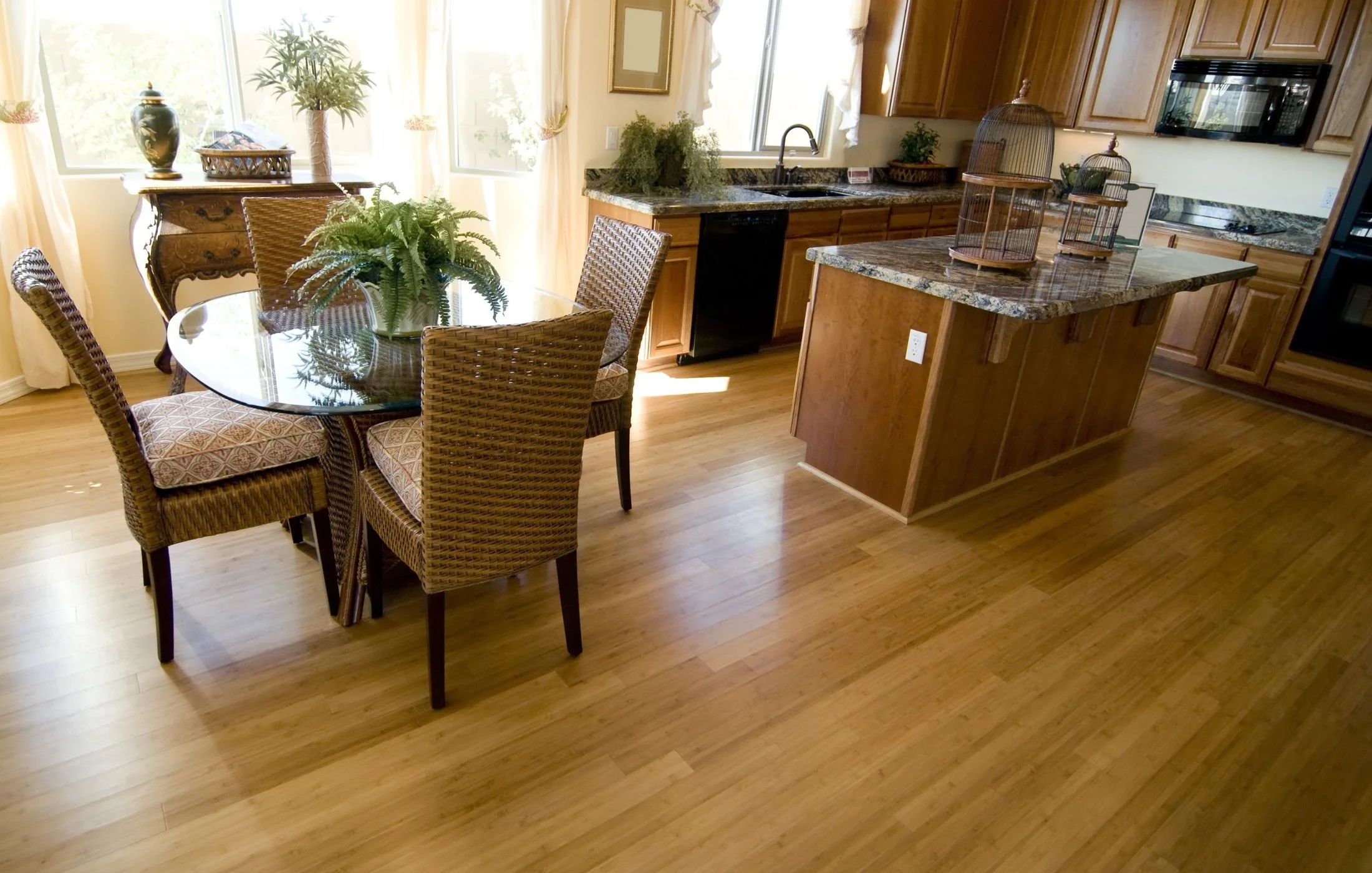
Walk into a Canadian home with well installed oak or maple and the effect is instant. Warmth underfoot, quiet confidence, and a look that never feels dated. That mix of beauty and utility is the real story behind hardwood flooring benefits, especially when long term value matters.
Hardwood floors still lead for home value because they offer durability across decades, timeless design, healthier indoor air, and refinishing flexibility that refreshes a space without full replacement. Buyers know this. Appraisers see it. The result is stronger resale and fewer costly do overs later.
Why hardwood floor benefits matter in Canada’s housing market
Canada’s market rewards materials that look premium and wear well through seasons. Hardwood checks both boxes. Real wood presents natural grain and depth that imitation floors struggle to match, and it keeps paying off with refinishing rather than tearing out and starting over.
There is a social signal at play too. Most buyers expect hardwood in main living areas. Realtors often say, “floors are the first thing buyers notice,” because they set the tone from the entry. Hardwood stacks value through elegance, repairability, and healthier living, which blends design preference with practical economics.
Quick aside. Hardwood is not the only smart choice. Tile, laminate, and LVP have clear use cases. Yet for broad appeal and equity, real wood tends to anchor a listing. That shows up in faster offers and fewer price objections when carpets or visibly worn surfaces become talking points.
Hardwood flooring benefits that drive long-term home value
Durability and lifespan across generations
Solid hardwood can be refinished many times, which stretches its life to decades. A three quarter inch tongue and groove floor may be renewed up to ten times, while thinner cuts can be refinished three to four times. That ability to recover the surface after kids, pets, and parties is a quiet superpower.
Hard species like hickory, maple, and oak resist denting and wear. Janka ratings hover at 1820 for hickory, about 1420 for maple, and 1260 to 1360 for oak, which speaks to real world scuff resistance.
Engineered hardwood adds dimensional stability against humidity swings, which helps in condos and basements while still delivering authentic wood underfoot.
Timeless aesthetics and design flexibility
Hardwood moves with you. New stain tones, matte or satin sheen, and wire brushed textures let a floor update without a full replacement. That keeps pace with taste shifts and new furniture plans. Natural grain also avoids the repeating printed pattern effect that can date other materials.
Proven return on investment at resale
Hardwood is consistently ranked top for resale value. Reported average ROI for installing hardwood floors sits near 70 to 80 percent, and several analyses note a home value lift in the low single digits when hardwood is present in key rooms. Buyers pay to avoid inheriting older carpet. Appraisers reflect that preference.
Health and indoor air quality advantages of hardwood flooring
Hypoallergenic surfaces versus soft flooring
Carpet holds dust, dander, and pollen in its fibers. Hardwood does not. That simple difference helps allergy friendly homes and makes regular cleaning more effective. Without grout lines or embossed textures catching debris, wood floors simplify dust control for everyday living.
Low-VOC finishes and easy cleaning
Prefinished hardwood arrives with durable factory topcoats that reduce site emissions and speed move in. Many brands align with responsible procurement and finish standards, which supports healthier indoor air over time. Maintenance is straightforward. Sweep, vacuum with a soft brush, and damp mop with wood safe cleaner for a consistent, clean surface.
Wooden flooring benefits in Canadian climates and homes
Species and engineered options for cold and humidity
Cold winters and humid summers add stress to floors. Engineered hardwood’s layered core resists expansion and contraction, so it works well over concrete or in rooms with wider swings. Choose species with stronger hardness ratings for entryways and kitchens where grit and foot traffic get intense.
Radiant heat, basements, and condos
Radiant heat. Engineered hardwood over appropriate underlayment is a practical pairing because the stable core tolerates gentle thermal variation.
Basements. Below grade spaces call for engineered products and moisture barriers rather than solid boards to reduce cupping risk.
Condos. Acoustic underlay helps meet strata sound rules and keeps neighbors happy, while click systems can speed professional installs.
Seasonal care for stability and longevity
Use a humidifier in winter. Aim for balanced indoor humidity to minimize gaps.
Control summer moisture. Dehumidify and ventilate, especially near entries.
Clean grit quickly. Grit scratches finishes, so mats and regular sweeping help.
Add felt pads to furniture. This keeps micro movements from scuffing the surface.
Cost of ownership versus laminate, vinyl, and tile
Upfront pricing versus lifecycle costs
Hardwood often starts higher at purchase, yet maintenance and refinishing tilt the math back in its favor. Laminate and vinyl can show well at first, though longevity and perceived resale value rarely match real wood’s staying power. Tile wins on water but can feel cold and demands grout upkeep.
| Flooring Type | Typical Lifespan | Refinishable | Moisture Tolerance | Resale Appeal |
|---|---|---|---|---|
| Solid hardwood | 50+ years with care | Yes, many times | Moderate, avoid standing water | High |
| Engineered hardwood | 20 to 30 years | Limited, depends on veneer | Better stability in humidity | High |
| Luxury vinyl plank | 25 to 30 years | No | Strong against spills | Medium |
| Laminate | 15 to 25 years | No | Fair, prone at seams | Medium |
| Ceramic tile | 30 to 50 years | No | Excellent | Medium to high |
Refinishing, repair, and replacement math
Refinishing beats replacement. Changing a stain tone or sheen can reset the look at a fraction of a new floor. Spot board repairs are straightforward with hardwood, while floating and glue down alternatives often call for larger section work when damage appears.
Impact on appraisal and buyer perception
Hardwood in living areas, hallways, and bedrooms sets a premium impression. That impression pushes listing photos to stand out and can raise appraised value where comparable homes lean heavily on older carpet or budget laminates. Buyers react to that first visual and the idea that the floor will age gracefully.
Why Choose Global Carpet & Hardwood Flooring for Your Next Home Upgrade
Global Carpets is built around one simple promise. Floors that look right, wear well, and make the numbers make sense. From species selection and finish guidance to site ready installation, the team helps match real world living with the right hardwood system.
Curated solid and engineered collections fit Canadian climates and condo guidelines.
Allergy aware advice and low VOC finish options keep indoor air cleaner.
Refinishing, repair, and maintenance plans protect your investment from year one to year twenty.
Ready to see samples under your light at home. Book a showroom visit or an in home consultation with Global Carpets and get a tailored plan that aligns design, budget, and long term value.